About Service Certifications Benefits History Contact
Cabo Froward, southernmost point of mainland South America, Strait of Magellan
Deep Sea Pilotage Service · Punta Arenas, Chile

Navigate Southern Chile with Confidence

Expert on-board advisory for vessels navigating the non-compulsory pilotage areas of the central and western Strait of Magellan and Chile's austral coastal routes — supporting Masters and Operators through one of the world's most demanding maritime passages.

Coordinate Your Transit Learn More
Cabo Froward
About Us

Local expertise, international standards

Deep Sea Pilots provides navigational advisory services for commercial vessels transiting the Strait of Magellan and the southern maritime routes of Chile. Our experienced professionals support Masters and Operators in optimizing voyage planning, enhancing operational efficiency, reducing fuel consumption, and mitigating the risks associated with Cape Horn navigation.

Drawing upon decades of local maritime expertise and an in-depth understanding of regional weather systems, navigational challenges, and operational requirements, we deliver practical solutions that enhance both navigational safety and commercial performance.

By combining local knowledge with international best practices, we help our clients achieve safer transits, improved voyage efficiency, and greater operational certainty.

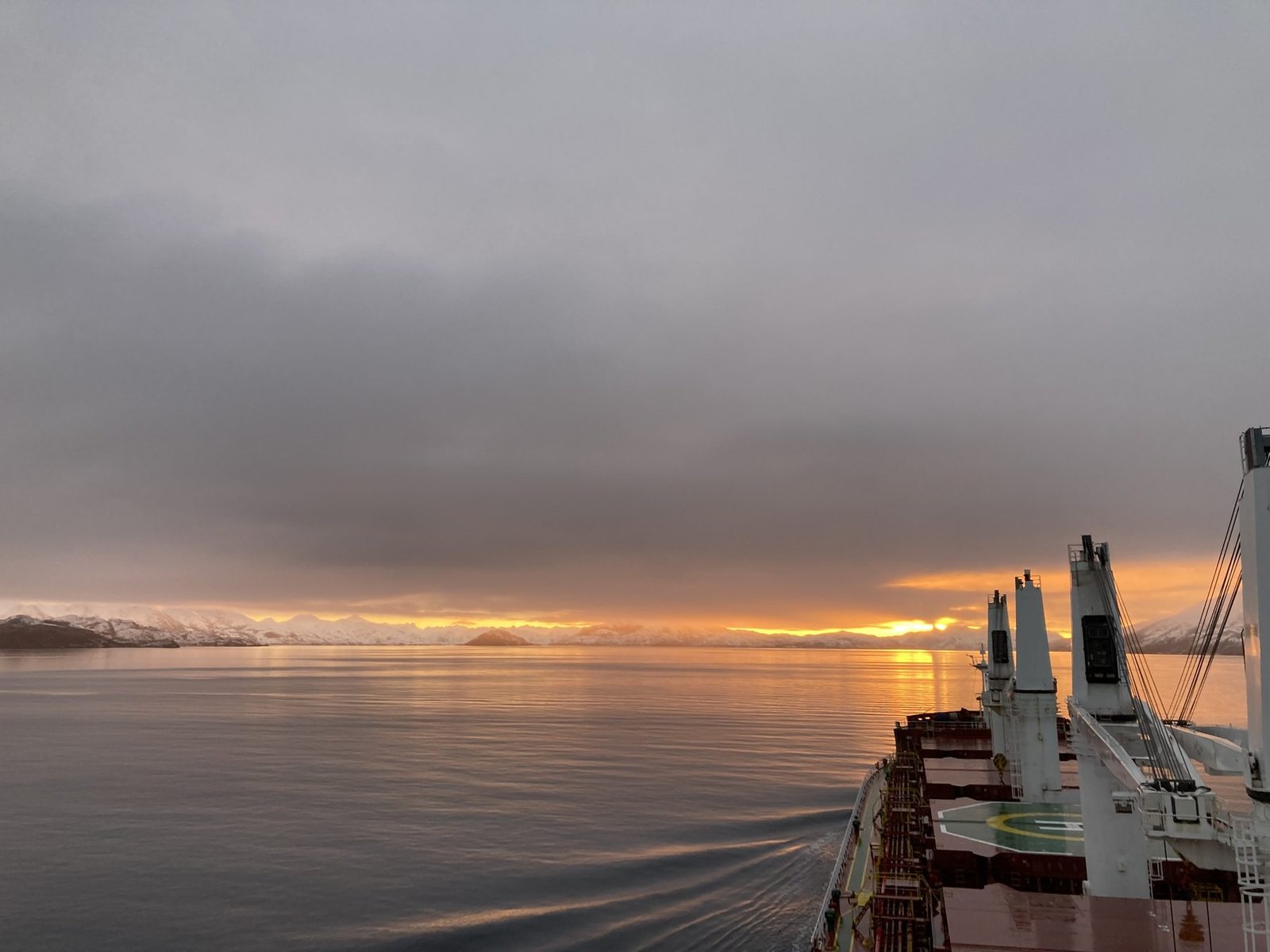
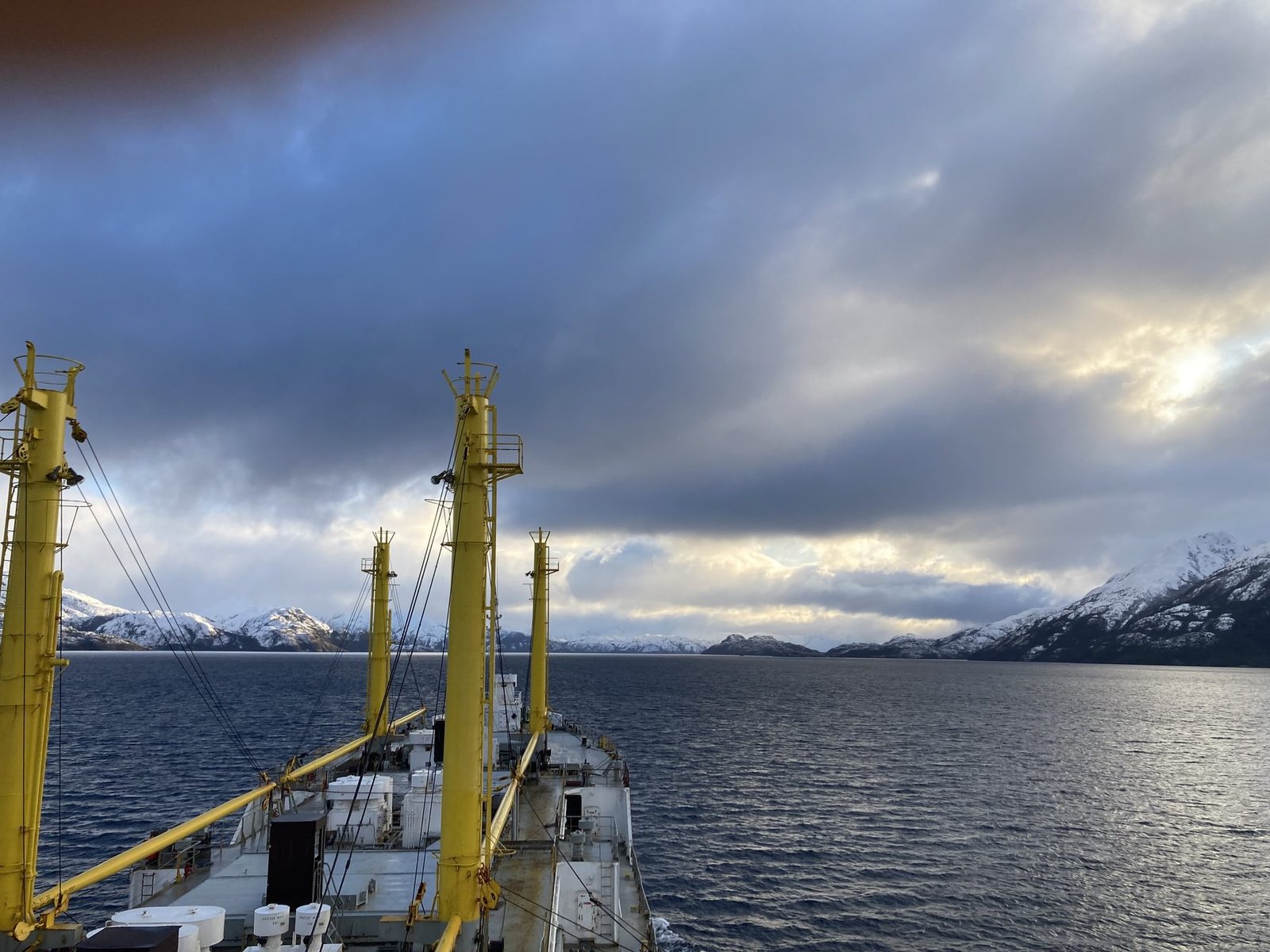
Fjord along the Strait of Magellan
Cabo Holland
24 / 365
Hours a day, days a year

Available 24 hours a day, 365 days a year, our team provides prompt coordination, continuous communication, and dependable support throughout every stage of the transit.

Vessel owners, operators, and charterers worldwide rely on Deep Sea Pilots for our professionalism, operational flexibility, and unwavering commitment to safe and efficient navigation in one of the world's most challenging maritime regions.

The Deep Sea Pilot Concept

"As per IMO Resolution A.475(XII), 1981: a Deep Sea Pilot is a person, other than a member of the ship's crew, who performs pilotage duties during the ship's voyage outside the seaward limits of local pilotage areas."

Inspired by the international concept of "Deep Sea Pilot" used in key routes such as the North Sea, the Strait of Malacca and the Baltic Sea, the Magellan Deep Sea Pilots service arose to respond to a need of shipping operators for an alternative covering the non-compulsory leg of the Strait of Magellan.

Paso Tortuoso, eastbound transit through the Strait of Magellan
Paso Tortuoso East Bound
The Challenge

A demanding passage

Navigating the Strait of Magellan is a challenge, given the combination of meteorological and oceanographic conditions that can vary significantly over short distances.

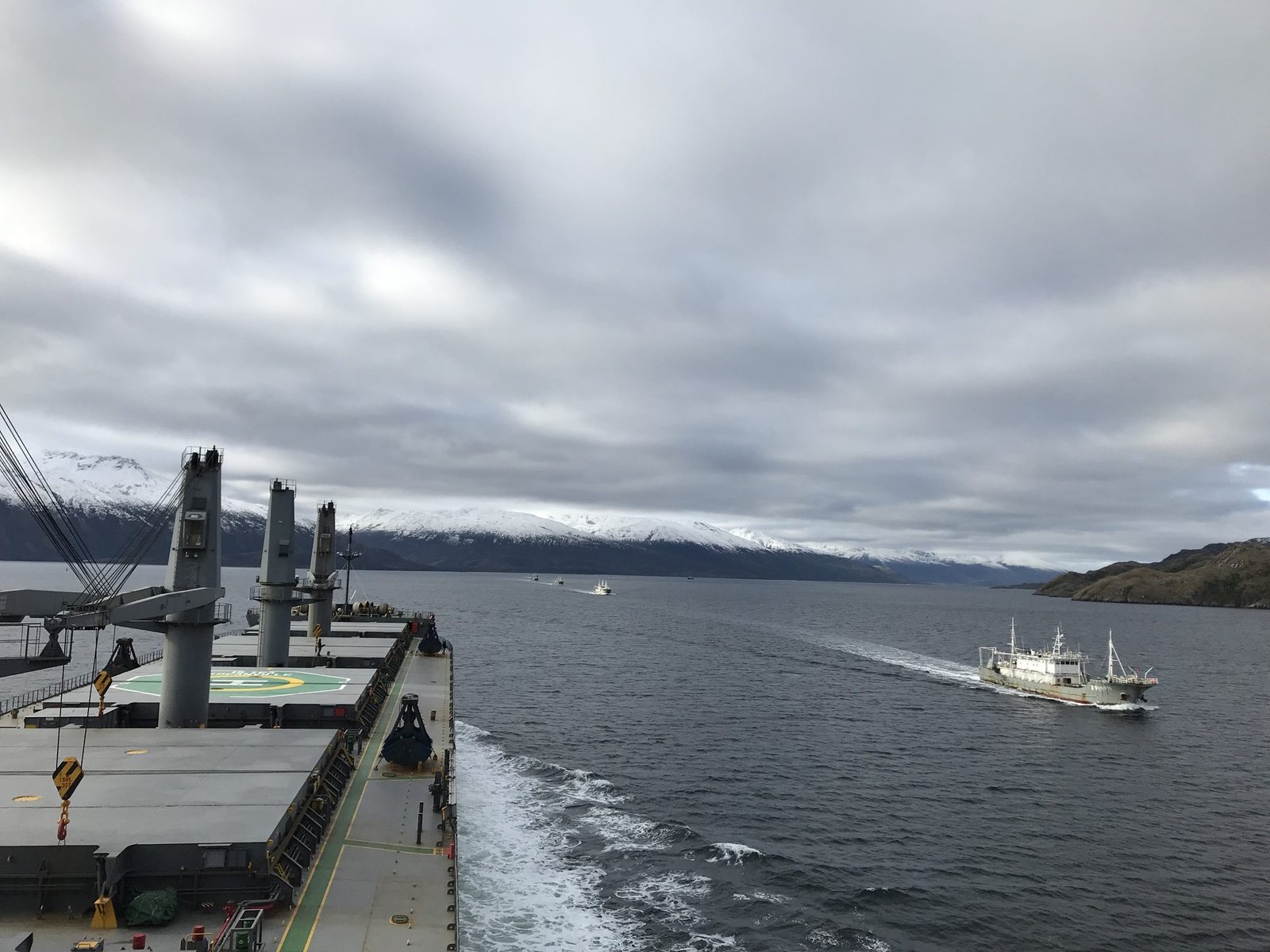
Strong, shifting winds — including the characteristic williwaws — together with currents of considerable strength, especially in the narrows, demand constant, attentive navigation. To this are added narrow channels, restricted sea room for maneuvering, variable depths, and the growing presence of smaller vessels linked to the salmon farming industry, whose transit is an additional point of attention for larger ships.

In this scenario, the ability to anticipate changes in local conditions and to adjust course, speed and maneuvering in good time is essential to maintaining safe navigation.

Our Services

Magellan Deep Sea Pilot

Drawing on decades of operational experience in southern Chilean waters, our team provides specialized Deep Sea Pilot services, nautical advisory, and voyage support for vessels navigating the non-compulsory pilotage sections of the Strait of Magellan, supporting ocean-to-ocean transits between the Atlantic and Pacific Oceans.

All services are provided solely in an advisory capacity, in support of the Master, and without prejudice to the Master's authority, responsibility, and ultimate command of the vessel. We support shipowners, operators, charterers, and masters with expert local knowledge, navigational guidance, and efficient operational solutions — combining regional expertise with internationally recognized best practices to contribute to safer, more efficient, and more reliable vessel transits.

Paso Largo, Strait of Magellan
Paso Largo
Who Provides It

Chilean Master Mariners holding STCW certification, extensive sea experience and deep knowledge of the area.

How It Works

Our pilot integrates into the bridge team in harmony with each vessel's safety and quality management systems.

Why Now

Growing smaller-vessel and salmon-farming traffic sharpens the need to demonstrate "due diligence" on a route with complex weather, marine protected areas, and Sailing Directions guidance recommending navigation with a pilot.

Certifications

World-class certifications and qualifications

Our Deep Sea Pilots meet the strictest professional, regulatory and medical standards.

Certified Chilean Ocean-Going Master Mariners

Extensively experienced maritime professionals holding internationally recognized STCW certifications in accordance with Regulation II/2 and Section A-II/2.

Holders of a Pilotage Exemption Certificate (PEC)

Authorized to conduct navigation without compulsory pilotage in accordance with Chilean regulations.

Highly Experienced Master Mariners

Extensive command experience and expertise in the safe handling and maneuvering of vessels of all types and sizes.

Fitness for Duty

All personnel comply with the physical and medical fitness requirements of the STCW Convention and maintain valid medical certification at all times.

International Standards Alignment

Operations conducted in accordance with internationally recognized deep sea pilotage best practices, informed by guidance published by Trinity House (UK).

Strait of Magellan Interoceanic Transits

Our operational area encompasses the Southern Chile oceanic routes south of 41°S, including the central and western sectors of the Strait of Magellan — a key gateway between the Atlantic and Pacific Oceans.

Our Advantages

Why choose Deep Sea Pilots

Practical advantages for owners, operators, charterers and Masters on every transit.

Passage Planning

Weather, hydrographic and local regulatory input for an optimal route.

Bridge Support

VTS reporting, communications and required safety notices along the entire route.

Emergency Backup

Support in SAR operations and access to Places of Refuge (IMO Res. A.949(23)).

An Efficient Alternative

Better cost-benefit than the Cape Horn route, while safeguarding Francisco Coloane Marine Park.

Port Call at Punta Arenas

Access to full maritime services on every transit.

Master's Authority Respected

Advisory role only — full authority, responsibility and command of the vessel remain with the Master at all times.

An Efficient Alternative

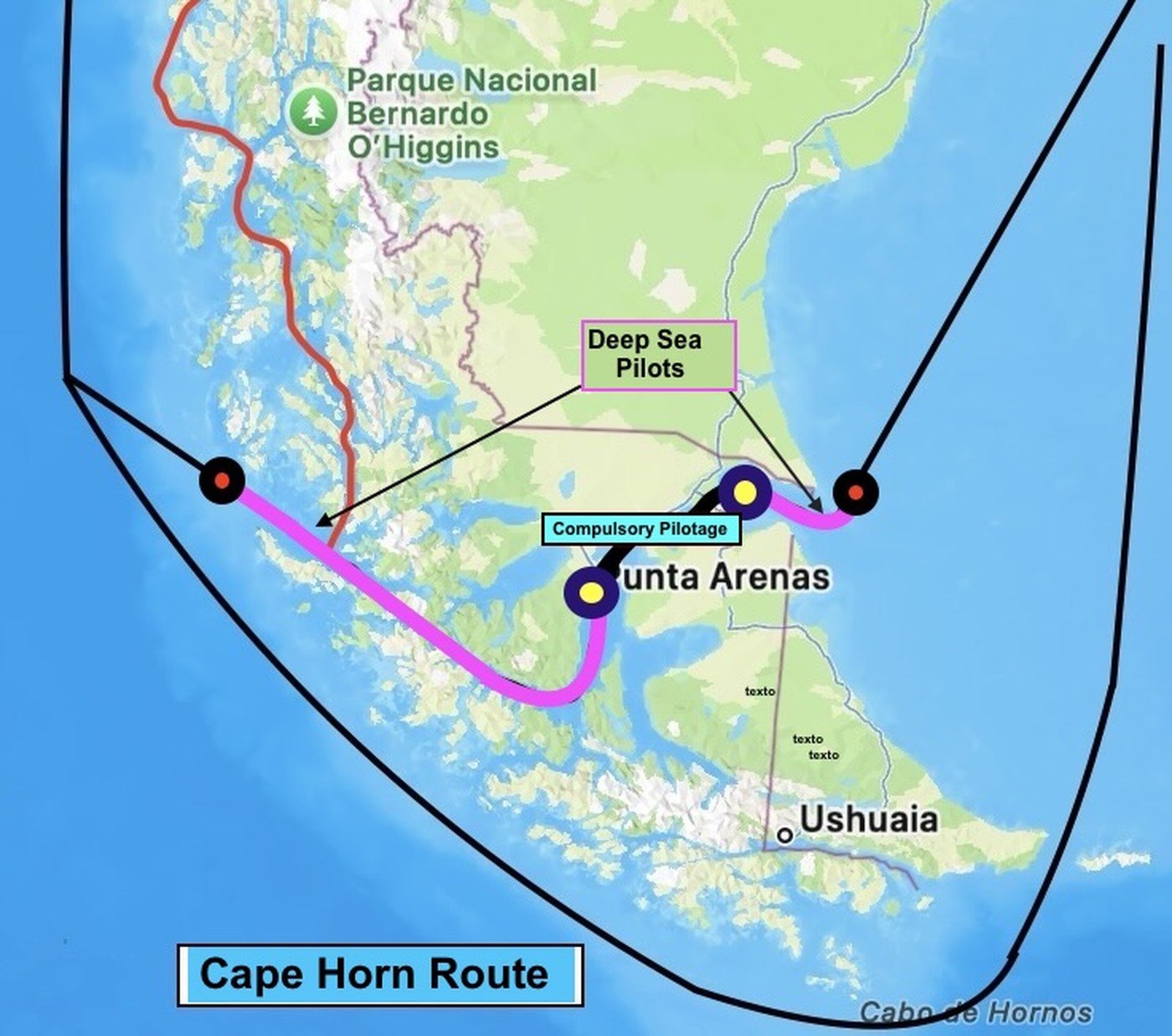
Strait of Magellan vs. the Cape Horn route

A safer and more efficient alternative to Cape Horn routing, minimizing exposure to severe weather and open-ocean conditions while taking advantage of the sheltered waters of the Strait of Magellan. Our Deep Sea Pilots follow the recommendations of the applicable Sailing Directions, particularly when navigating in the vicinity of sensitive and protected areas such as the Francisco Coloane Marine Reserve.

Map comparing the Cape Horn route with the Strait of Magellan Deep Sea Pilot route
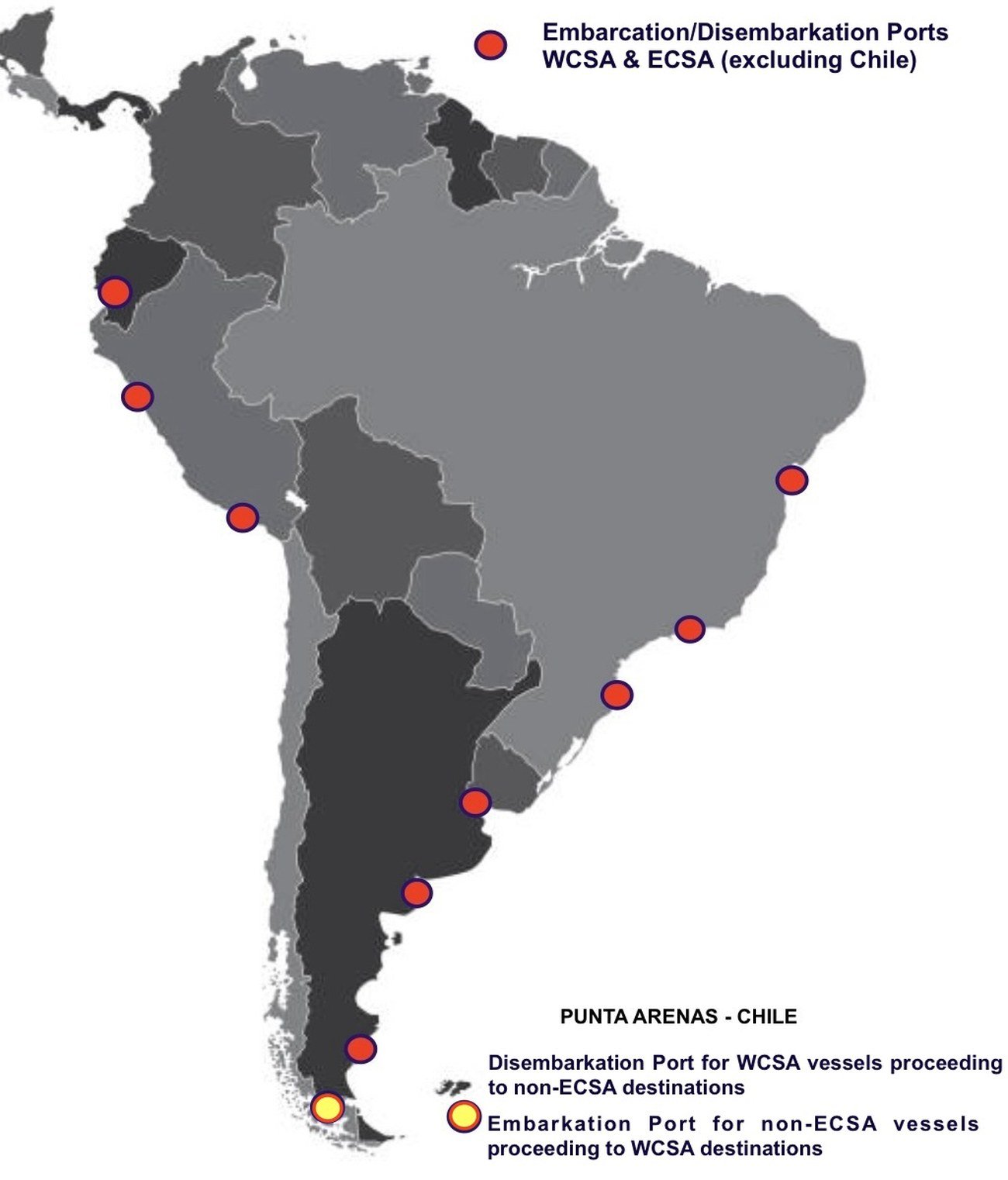
Map of embarkation and disembarkation ports for pilots, with Punta Arenas as the key port
Port Call at Punta Arenas

Embarkation & disembarkation

Punta Arenas serves as disembarkation port for vessels proceeding from the West Coast of South America (WCSA) to non-East Coast of South America (non-ECSA) destinations, and as embarkation port for non-ECSA vessels proceeding to WCSA destinations — with access to full maritime services on every transit.

Bridge Support

Eyes on the traffic around you

VTS reporting, communications and required safety notices along the entire route, including the growing salmon-farming and fishing traffic sharing the channels with larger ships.

Paso Tortuoso West bound, Strait of Magellan
Paso Tortuoso West bound
Operational Area

South of 41°S — the Strait of Magellan

Ocean-to-ocean transits · Central & Western sections · Non-compulsory pilotage areas

Our advisory service is provided to vessels making ocean-to-ocean transits of the Strait of Magellan, connecting the Atlantic and the Pacific. Coverage is focused on the Central and Western sections of the Strait — areas that are not subject to compulsory pilotage — combining decades of regional experience with comprehensive knowledge of local weather systems, currents, tidal streams, and navigational constraints to deliver specialized navigational advisory and voyage support services designed to enhance safety, efficiency, and operational performance.

Acting solely in an advisory role, our professionals provide guidance and local expertise to support the Master and bridge team throughout the transit. The Master remains at all times the sole authority responsible for the navigation, management, and command of the vessel.

The Strait of Magellan remains one of the world's most important natural maritime passages, offering a sheltered and strategically valuable route for vessels operating between the Atlantic and Pacific Oceans.

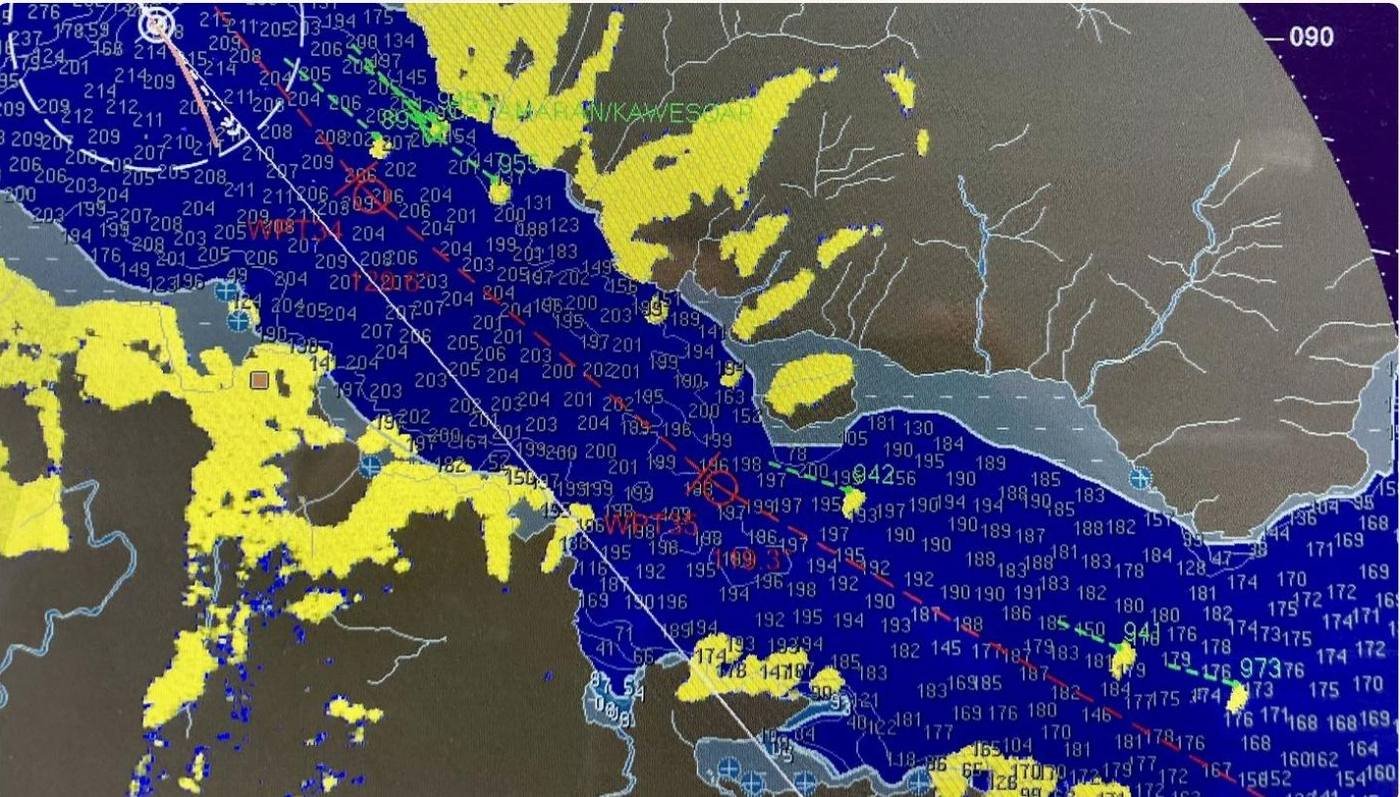
ECDIS route planning through the strait's narrows

ECDIS route planning through the strait's narrows.

Background

The Strait of Magellan

From European discovery to Chilean sovereignty
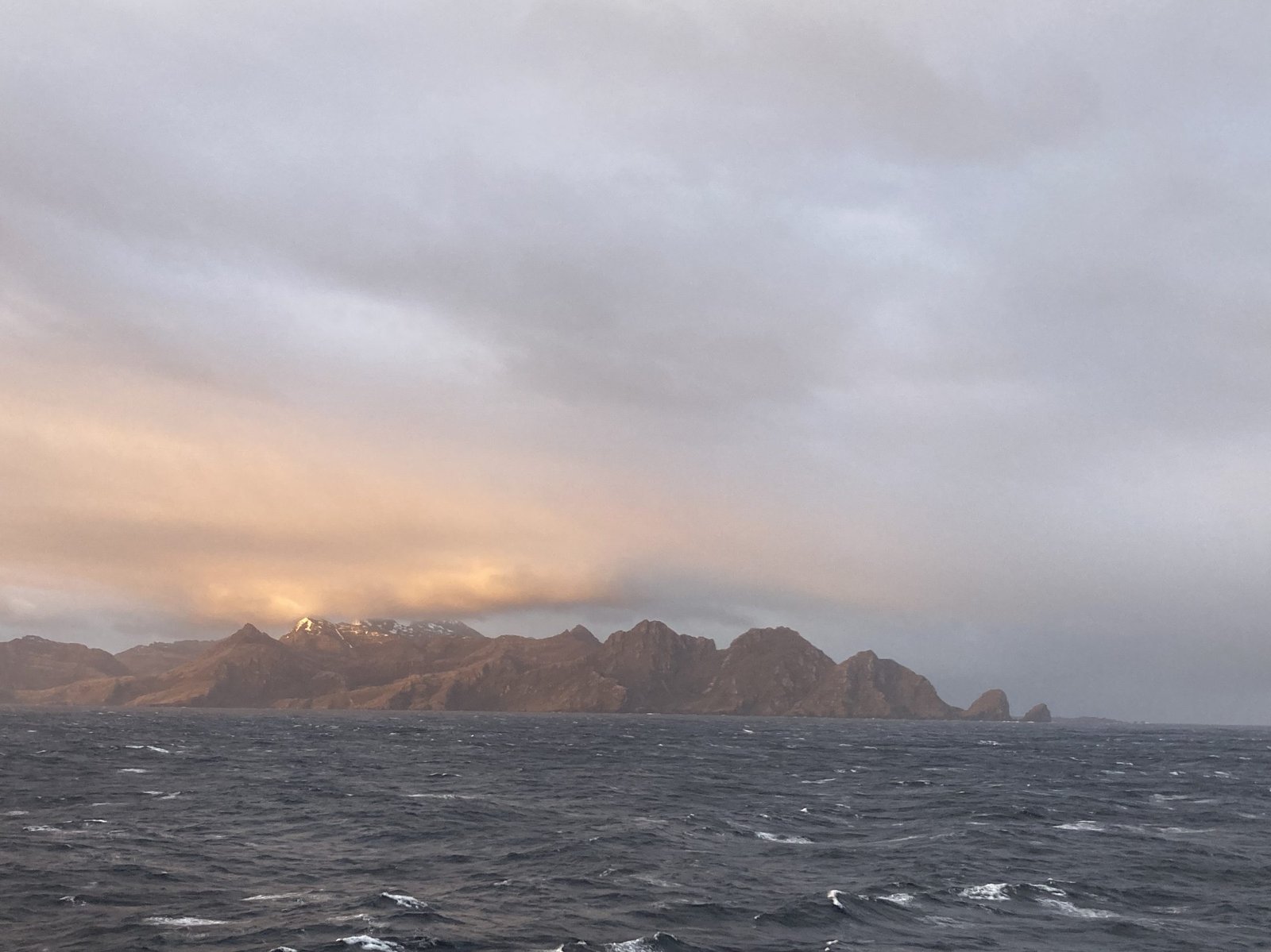
Cabo Pilar, western entrance of the Strait of Magellan, with the open sea and coastline
Cabo Pilar
1520
Discovery

Ferdinand Magellan crosses the strait, joining the Atlantic and the Pacific for the first time.

1584
Spanish Attempt

Spain founds Rey Felipe to control the passage; hunger and isolation doom the settlement ("Port Famine").

1843
Chilean Possession

The schooner Ancud founds Fuerte Bulnes, forestalling French claims to the area.

1848
Punta Arenas

The settlement relocates to its present site, now the capital of the region.

1881
International Recognition

The Boundary Treaty places the strait under Chilean sovereignty, neutralized in perpetuity with free navigation guaranteed to every flag.

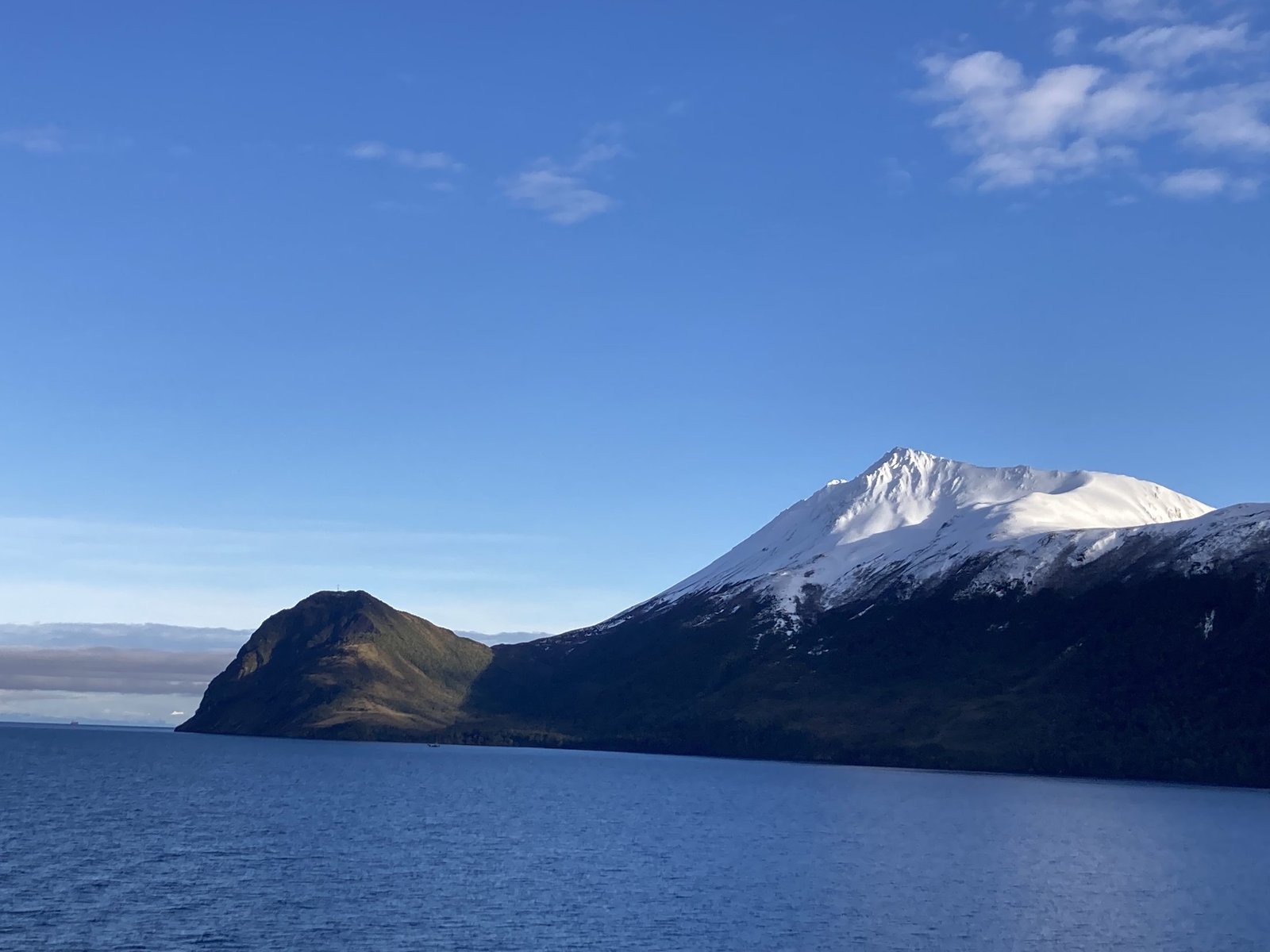
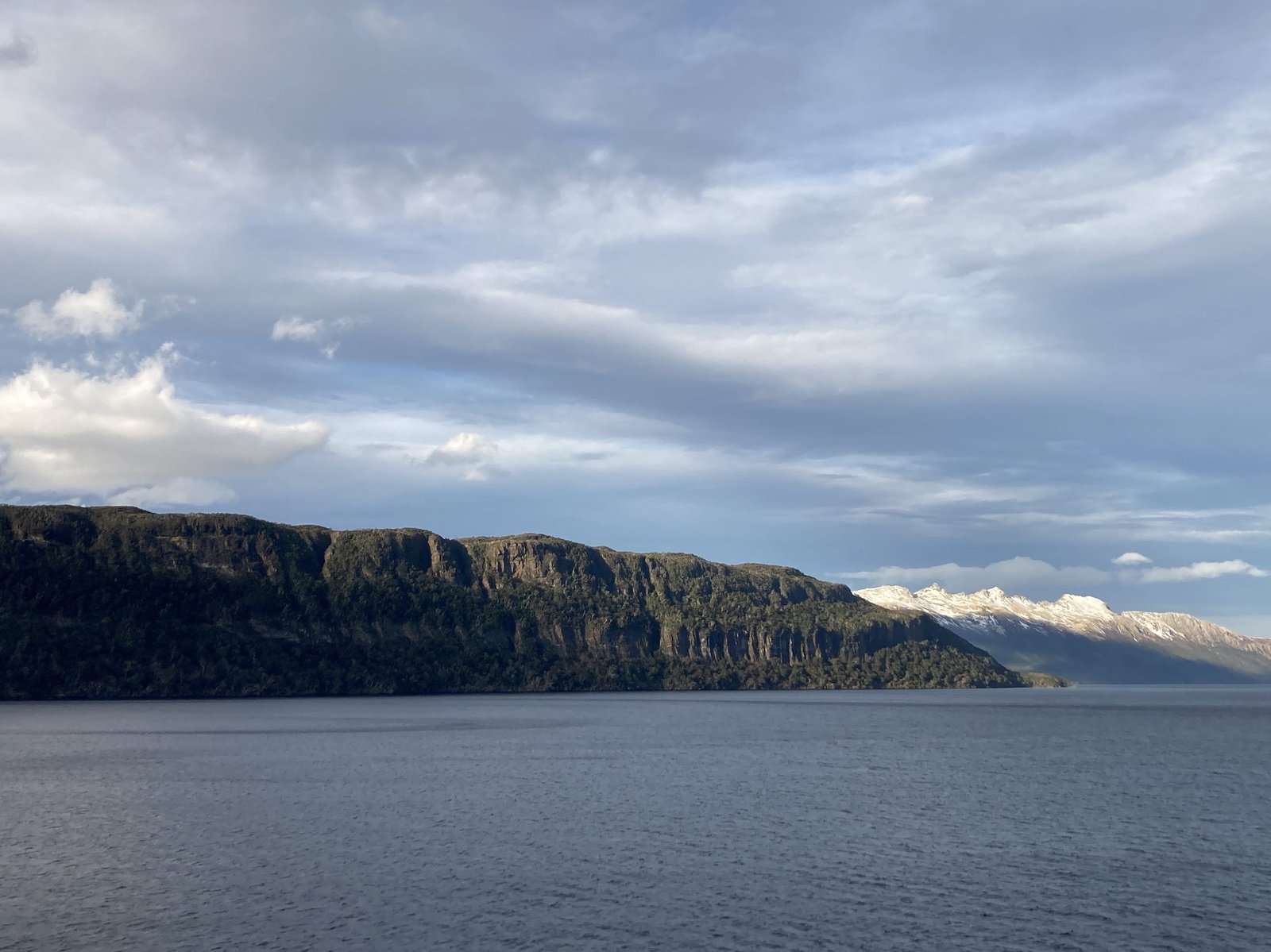
570 km between the Atlantic and the Pacific, with fjords and fragile ecosystems such as Francisco Coloane Marine Park.
Contact

Coordinate your transit

Full coverage of the central and western sections of the Strait of Magellan and the western coast of Chile's austral Pacific.

contact@dspnav.com
www.dspnav.com
Home port: Punta Arenas, Chile

Website address shown in brackets is a placeholder — to be completed by the service operator.

DSP Navigation logo
Deep Sea Pilots

Chilean Master Mariners providing expert on-board advisory for the safe, efficient transit of the Strait of Magellan and Chile's austral waters — supporting shipowners, operators, charterers and Masters worldwide.

About Services Certifications Benefits History

© Deep Sea Pilots — Magellan Strait Advisory Service.

Panama Canal, a Route under Pressure